


GT Greenhouse Hydroponic Gutter Growing System for Strawberry Tomato
The hydroponic gutter system can be used for:
- Commercial strawberry production
- Greenhouse tomato production
- Other fruiting crops
- Vegetable cultivation
- Substrate-based hydroponics
- Nursery production
- Controlled-environment agriculture
Inquire Now
Product Description
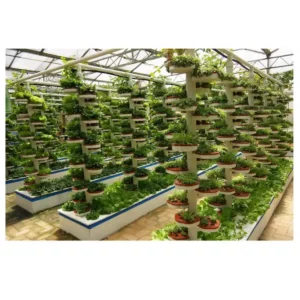
GT Greenhouse Hydroponic Gutter Growing System is designed for commercial strawberry, tomato and other soilless crop production. The gutter-based growing system separates the crop root zone from the ground and provides an organized growing channel for substrate cultivation and nutrient solution management.
The gutter layout, height, spacing, length and irrigation configuration can be customized according to greenhouse dimensions, crop type and production requirements.
Key Features of the Hydroponic Gutter Growing System
Dedicated Hydroponic Growing Gutters
The Greenhouse gutter provide a defined space for crop roots and growing media. They can be arranged in rows according to greenhouse dimensions and required plant spacing.
Suitable for Strawberries and Tomatoes
The system is suitable for crops commonly grown in substrate-based greenhouse production, including strawberries and tomatoes. Gutter dimensions and plant spacing can be adapted to the crop’s root system, plant size and cultivation method.
Soilless Growing
The gutter system can be used with suitable growing substrates instead of planting directly in greenhouse soil. This allows growers to manage irrigation and nutrient delivery more systematically.
Customizable Irrigation
Drip irrigation can be integrated with the hydroponic gutter system to deliver water and nutrient solution directly to the growing media. Irrigation flow rate and frequency should be adjusted according to crop stage, substrate properties and greenhouse conditions.
Hydroponic Gutter Growing System Specifications
| Item | Specification |
|---|---|
| Product Type | Greenhouse Hydroponic Gutter Growing System |
| Growing Method | Soilless / Substrate Hydroponics |
| Growing Gutter | Customized |
| Gutter Length | Customized |
| Gutter Width | Customized |
| Gutter Height | Customized |
| Row Spacing | Customized |
| Plant Spacing | Customized |
| Growing Media | Optional Substrate |
| Irrigation | Drip Irrigation / Customized |
| Support Structure | Customized |
| Drainage | Customized |
| Application | Strawberry, Tomato and Other Greenhouse Crops |
Hydroponic Strawberry Gutter System
Strawberries are well suited to raised gutter cultivation because the plants can be positioned above the ground for easier crop management and harvesting.
The gutter system Greenhouse accessories can be arranged at a suitable working height and planting density. Drainage and irrigation should be designed according to the selected growing substrate and strawberry production method.
Tomato Hydroponic Gutter System
For greenhouse tomatoes, gutters can be arranged in continuous rows to support substrate-based cultivation. The system can be combined with drip irrigation and suitable plant support structures.
Plant spacing, gutter dimensions and support height should be determined according to tomato variety, plant growth characteristics and greenhouse operating requirements.
How Does a Hydroponic Gutter System Work?
Plants are grown in a suitable substrate placed inside the growing gutters. Water and nutrient solution are delivered through an irrigation system, typically using drip emitters.
The growing medium retains moisture and nutrients around the root zone while excess solution can be collected or drained depending on the system configuration.
Irrigation frequency and nutrient concentration should be managed according to crop requirements, substrate characteristics, environmental conditions and plant growth stage.
Greenhouse Gutter Growing System Design
A commercial system can include:
- Hydroponic growing gutters
- Gutter support structures
- Growing substrate
- Drip irrigation lines
- Nutrient solution reservoir
- Water pumps
- Drainage system
- Plant support systems
- Climate-control equipment
The final configuration depends on greenhouse size, crop type, cultivation method and production capacity.
Leave Your Message
Related products
-

GT Weed Control Barrier PP/PE Material Woven Landscape Fabric White Ground Cover
-

GT Greenhouse Roof Gutter for Rainwater Drainage and Commercial Greenhouse Projects
-

GT PP/PE High Quality Control Fabric Cover Sheet Black Anti Weed Pad Ground Cover
-
Customized Size Grow Buckets Setup Indoor Hydroponic Growing Systems